In a heartbeat, your calm can save a life. Whether you’re preparing for the OSCE, tackling the NCLEX, or walking the floors of an Australian healthcare facility, responding to a Code Blue isn’t just a clinical task—it’s a test of your clarity, courage, and collaboration. This blog is your confidence- building guide to thinking fast, acting smart, and leading with purpose when every second counts.
Spotting Trouble Before It Strikes
Anticipation is everything. Knowing the red flags helps you respond before things spiral:
- Cardiac Arrest: Sudden unresponsiveness, pulselessness, apnea
- Anaphylaxis: Swelling (face, airway), rash, respiratory distress, hypotension
- Stroke (CVA): FAST—Facial drooping, Arm weakness, Speech slurring, Time-critical emergency
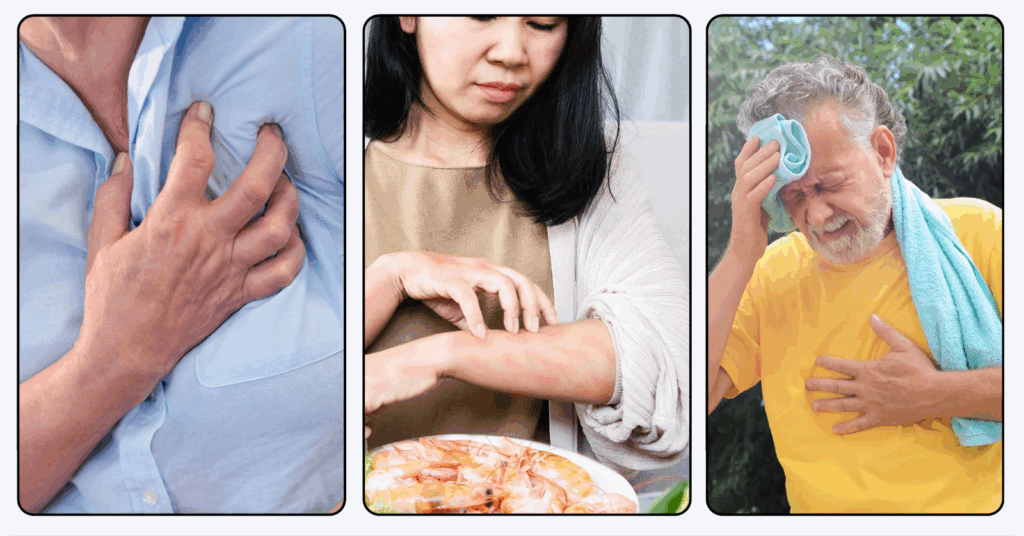
When you’re trained to spot the storm, you’re halfway to saving the day.
Staying Grounded in the Chaos
Code situations unleash adrenaline—and that’s normal. Here’s how to ride the wave:
- Box Breathing: Inhale for 4 seconds, hold for 4, exhale for 4, hold again—repeat
- Mental Anchors: Remind yourself, “I’ve trained for this.”
- Micro-Actions: CPR first. Call a code. Secure oxygen. Just focus on the next right step.
In both OSCE scenarios and real life, calm isn’t luck—it’s a practiced response.
Code Roles: Who Does What in the Heat of It All
Being effective means knowing where to stand—and what to do

OSCE tip: Deliver your SBAR handoff clearly and calmly. It’s a competency marker for critical communication.
Post-Code Practice: What Happens After the Beep
Emergencies don’t end with return of spontaneous circulation (ROSC). Here’s what comes next:
- Reassess Continuously: Vitals, LOC, oxygenation
- Support the Family: Provide honest, kind updates
- Reflect as a Team: What worked? What didn’t? What will you do better next time?
- Document Meticulously: Every action, minute, medication, and rhythm change

Mastering post-resus care is how good nurses become great ones.
Final Pulse Check: Confidence is Clinical
Emergencies are a test of readiness, not perfection. With frequent scenario practice, honest reflection, and team coordination, you won’t just react—you’ll respond with control and care. Because staying calm isn’t just a mindset. It’s a lifesaving skill.
Ready to Own Your Moment?
Take your next step toward becoming an Australian RN—join the AuRNPathway.
We’re a community of internationally qualified nurses mastering OSCE, NCLEX, and everything in between. Whether you’re tackling code drills or looking for moral support, we’ve got your back with tools, study resources, and real connection.
Start your journey now with AuRNPathway and walk into your exam—and your future—with confidence.